
Condensation rarely causes dramatic failure. Instead, it creates intermittent faults, corrosion, and sensor drift that trigger unplanned maintenance and undermine system availability. For asset owners, each service intervention means cost, disruption, and reputational risk. Rather than reacting to moisture-related faults, this article explores how preventing condensation at source reduces downtime and stabilises long-term operating budgets.
Why Intermittent Faults Often Point to Hidden Condensation
When an outdoor cabinet develops occasional communication errors, drifting sensor readings, or unexplained resets, technicians often suspect software, connectors, or component tolerances. However, repeated micro-condensation events inside sealed enclosures frequently sits at the root of the problem.
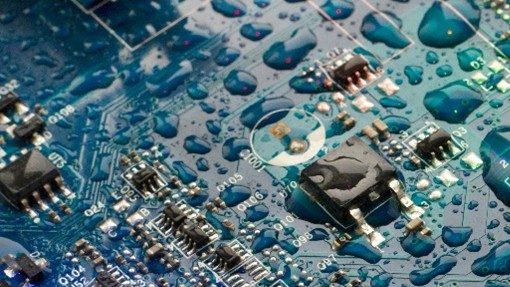
As temperature falls, internal air crosses its dew point. Moisture condenses onto the coldest surfaces, which often include PCBs, terminals, optics, and sensor interfaces. Although the water film may be microscopic, it can create temporary leakage paths or initiate corrosion sites that worsen over time.
Because the moisture later evaporates as temperature rises, visible evidence disappears. Consequently, technicians may record “no fault found,” while the underlying mechanism continues to repeat with every thermal cycle.
The Operational Cost of Misdiagnosed Moisture Problems
For operators managing distributed infrastructure, intermittent faults rarely remain isolated events. Each incident can require:
- Service planning and dispatch
- Travel time and labour
- Site access coordination
- Potential traffic management or safety controls
- Documentation and reporting
Even when the hardware cost is modest, the operational cost of a single truck roll can be substantial. When faults repeat across a fleet of cabinets, total cost of ownership rises quickly.
Therefore, preventing condensation is not simply a technical improvement. It is a strategy for reducing avoidable service interventions and protecting long-term operating budgets.
Why Conventional Solutions Do Not Always Solve the Problem
Many installations rely on silica gel, heaters, or powered dehumidifiers. While each solution can perform in certain conditions, they often introduce new lifecycle considerations.
Desiccants require replacement once saturated. If maintenance schedules slip, protection declines. Heaters consume energy continuously and add thermal stress. Powered dehumidifiers depend on electrical availability and introduce additional failure modes. Unlike silica gel, Drykeeper is a passive maintenance-free membrane that works for up to ten-years. Moreover it is environmentally and needs no special disposal.
For asset owners, these approaches can shift cost rather than eliminate it.
The Drykeeper Approach: Stabilising Humidity to Prevent Faults
Drykeeper addresses the root cause of condensation by stabilising internal relative humidity within a safe operating range. When humidity rises, it absorbs water vapour. When humidity falls, it releases moisture back into the air.
This passive buffering action prevents internal air from reaching the dew point during temperature drops. As a result, condensation cannot form and the conditions that lead to intermittent electrical behaviour do not develop.
Because Drykeeper operates without power, sensors, or consumables, it does not require servicing. Once installed, it works continuously throughout its service life without introducing additional energy cost or failure risk.
Reducing Total Cost of Ownership (TCO)
When evaluating condensation control, purchase price alone can be misleading. Over five to ten years, reactive maintenance, desiccant replacement, and fault investigation often exceed the initial hardware cost.
By preventing condensation events entirely, Drykeeper can reduce:
- Repeat service visits
- “No fault found” diagnostics
- Corrosion-related component replacement
- Warranty exposure
- Energy consumption from heaters
For asset owners operating large cabinet fleets, even small reductions in service frequency translate into meaningful lifecycle savings.
From Reactive Maintenance to Preventive Stability
Condensation damage rarely appears dramatic. Instead, it quietly increases operational cost and reduces reliability across time. By addressing the underlying humidity physics inside sealed enclosures, Drykeeper offers a shift from reactive intervention to preventive stability.
For operators seeking predictable budgets, lower service frequency, and improved infrastructure uptime, preventing condensation at source can materially reduce total cost of ownership.
To explore the technical principles, sizing guidance, and lifecycle considerations in greater depth, we invite you to review the full Drykeeper white paper.
Discover what makes Drykeeper different