
Stop drying silica gel. Start drying your 3D filament.
Controlling humidity inside enclosures and equipment is essential to protect both sensitive devices and valuable items. From electronics and optical systems to musical instruments, museum displays and stored materials, unmanaged moisture can lead to condensation, corrosion, distortion or long-term degradation.
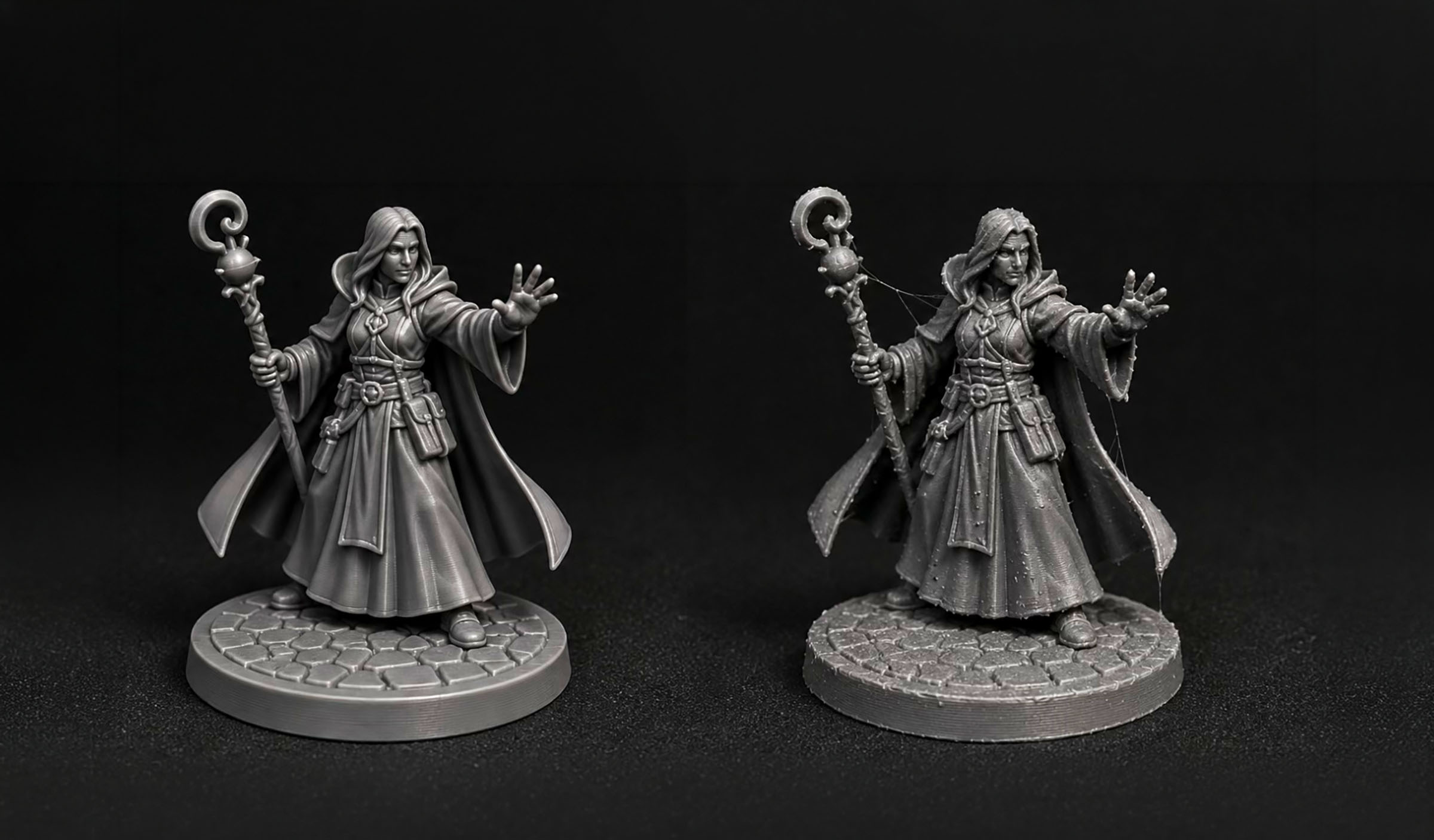
That’s moisture. Most filaments; PLA, PETG, nylon, TPU start absorbing humidity the moment they leave a sealed bag, and it only takes a few days of normal room air to start affecting print quality.


Here’s the difference
Rosahl is a solid-state dehumidifier that keeps 3D printing filament dry 24 hours a day. Trusted for over fifteen years in industrial equipment worldwide, it is now becoming the maintenance-free alternative to silica gel for hobbyists and professionals alike.
Instead of absorbing moisture like a desiccant, Rosahl continuously removes water vapour from your dry box or AMS at a molecular level. There are no fans, no noise, no water reservoir to empty. Moreover, it uses only around 3 Watts of power, about the same as a small LED light bulb.
Unlike silica gel, it never needs regenerating and provides years of continuous, maintenance-free operation. Whether you print every day or only occasionally, your filament stays dry and ready to use.

Around 3 W power consumption

Typical operating life 6+ years

Trusted in industrial equipment for 15 years
Why not just use Silica gel?
PLA is a forgiving material and early on most people are just proud of the print and don’t notice the small imperfections moisture leaves behind. But once you move to more demanding materials like PETG, nylon, or polycarbonate, moisture in the filament becomes far more obvious: weaker layer adhesion, brittleness, and surface defects that are much harder to sand or paint over.
Silica gel stores moisture. Rosahl removes it.
Silica gel absorbs moisture until it’s saturated, then stops working until it’s dried out again, Something most people forget to do, or do inconsistently. In a busy print box, that means periods where your filament is effectively unprotected. Rosahl doesn’t saturate the same way: it keeps working continuously, so there’s no window where protection quietly lapses.
Why It’s Different (comparison table)
| FEATURE | SILICA GEL | FILAMENT DRYER BOX | ROSAHL MEMBRANE |
|---|---|---|---|
| POWER USED | None | High (heat cycles) | ~3W continuous (like a small LED) |
| NEEDS REPLACING?RECHARGING | Yes, often | N/A | No, lasts years |
| WORKS WHILE YOU”RE NOT USING THE PRINTER | No | No | Yes, continuously |
| NOISE | None | Fan noise | Silent |
| UPFRONT EFFORT | Low | Medium | Low |
| ONGOING EFFORT | Frequent | Frequent | Minimal |
| PROTECTION WHILE FILAMENT IS STORED | Limited | None | Continuous |
Does it actually save money?
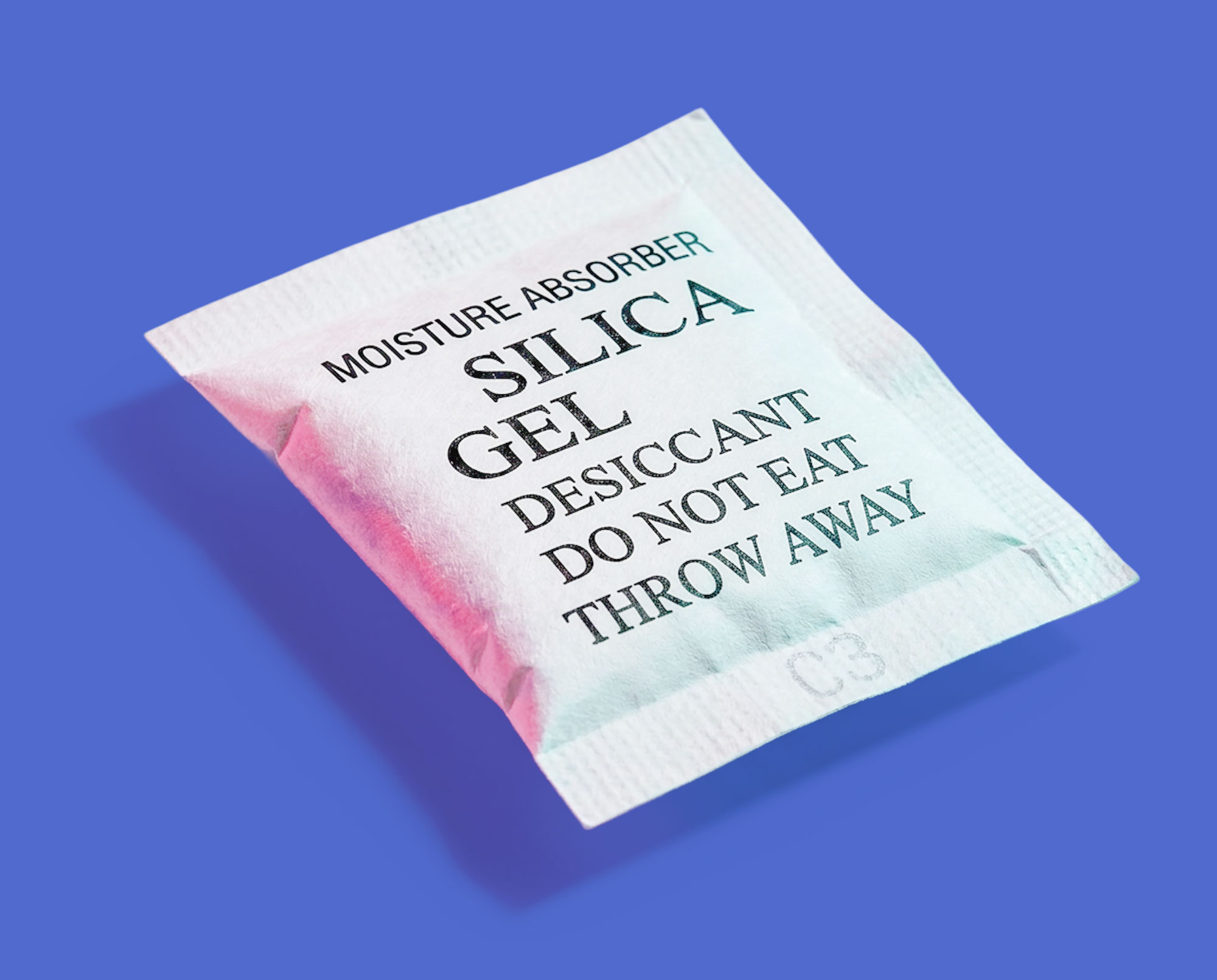
Silica gel
€5 + Oven + Time + Remembering + Replacing = Failed prints
Repeat….forever
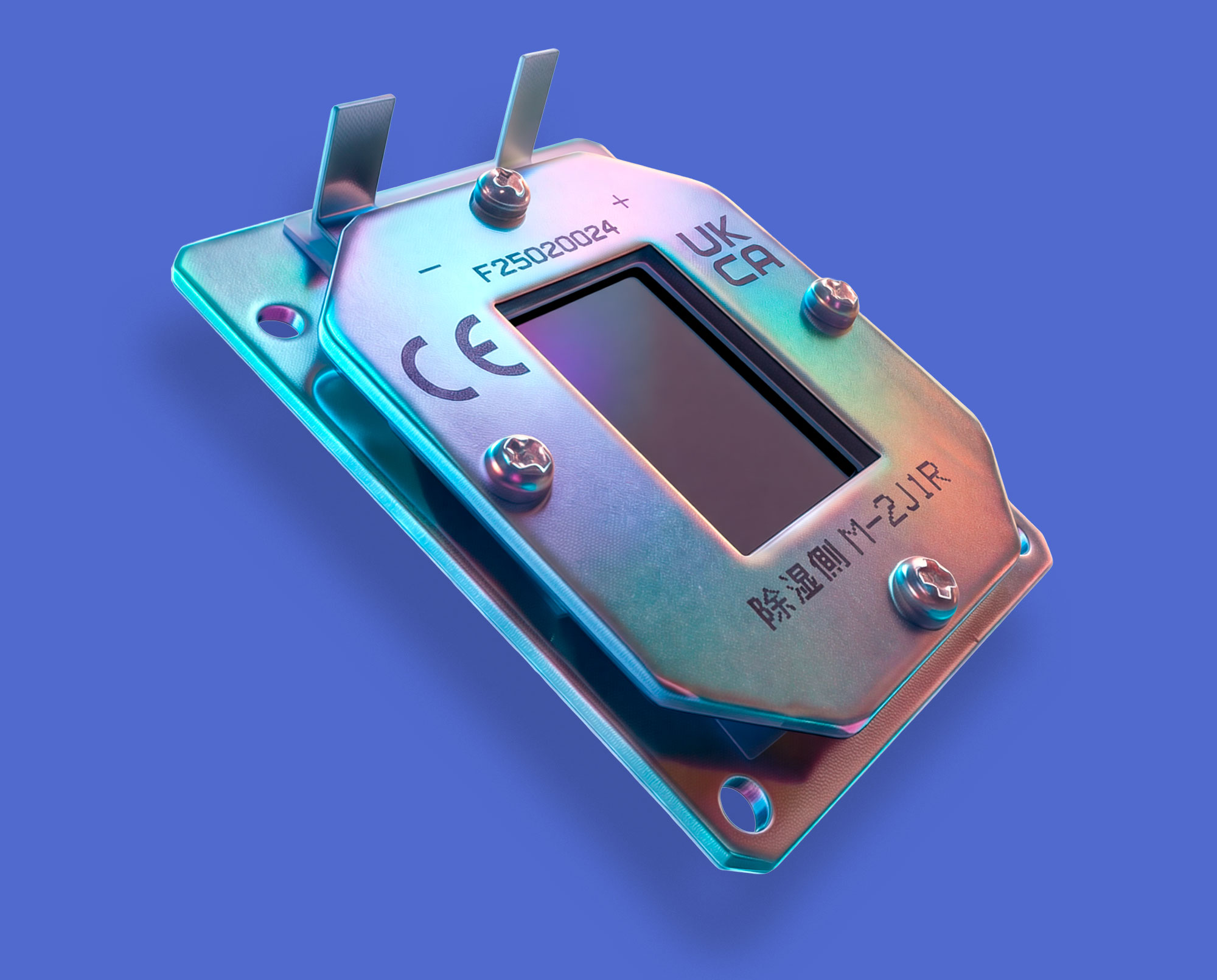
Rosahl
Buy once >
Forget about it >
Keeps working for years
Let's talk about the price.
A Rosahl membrane costs more upfront than a bag of silica gel, typically €125–150 versus a few Euros. That’s a fair thing to notice, so let’s be straight about it.
If you print occasionally, and you’re happy to remember to regenerate silica gel every few weeks, it’ll do the job. We’re not going to pretend otherwise.
If you print regularly, or work in anything beyond PLA, the maths looks different:
Silica gel needs replacing or regenerating by heating it in an oven or dedicated dryer every few weeks. That’s recurring effort, recurring energy use, and a window where your filament sits unprotected while it’s “resting” in the oven or waiting to be swapped.
If you’re printing PETG, nylon, TPU or polycarbonate, one failed print can waste more in time and material than the membrane costs.
Rosahl has an expected operating life of around 6 years, with no regeneration, no monitoring, and no gaps in protection. Spread over that lifetime, that’s roughly €21–€25 a year — about €2 a month. No ovens, no reminders, no more forgotten desiccant packs.
Silica gel is inexpensive, and if you remember to keep regenerating it, it can work well.
Rosahl is for people who’d rather solve the problem once and forget about it for years.
Moreover, for many rigs, changing and recharging desiccants is not a quick and simple task. Rosahl costs more once, so you never have to keep on top of it again, and it works out to less than €2 a month over its life. More enthusiasts are recognising this and that’s why we opened our web shop.
We make it easier
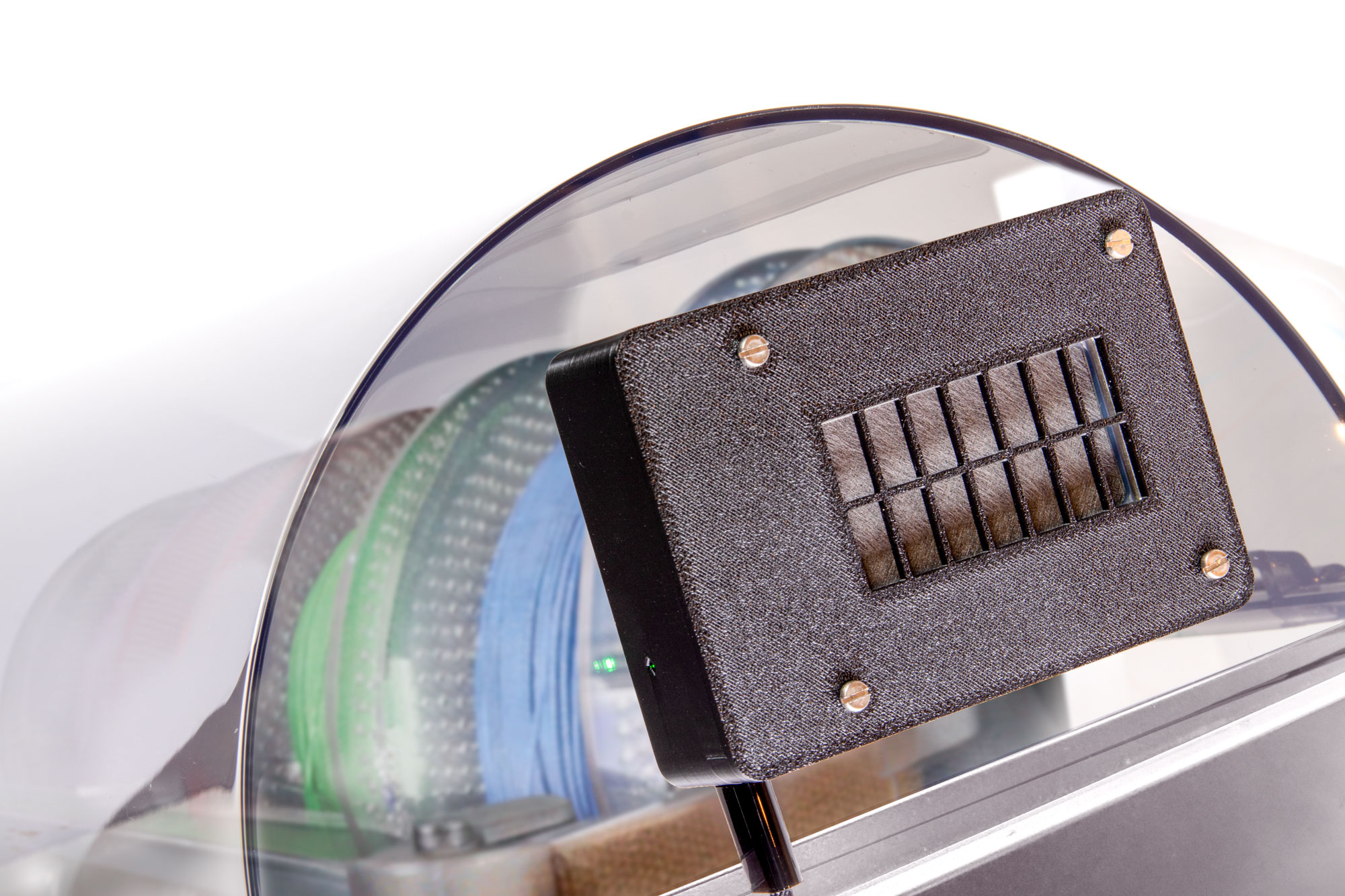
Installation in 20 minutes
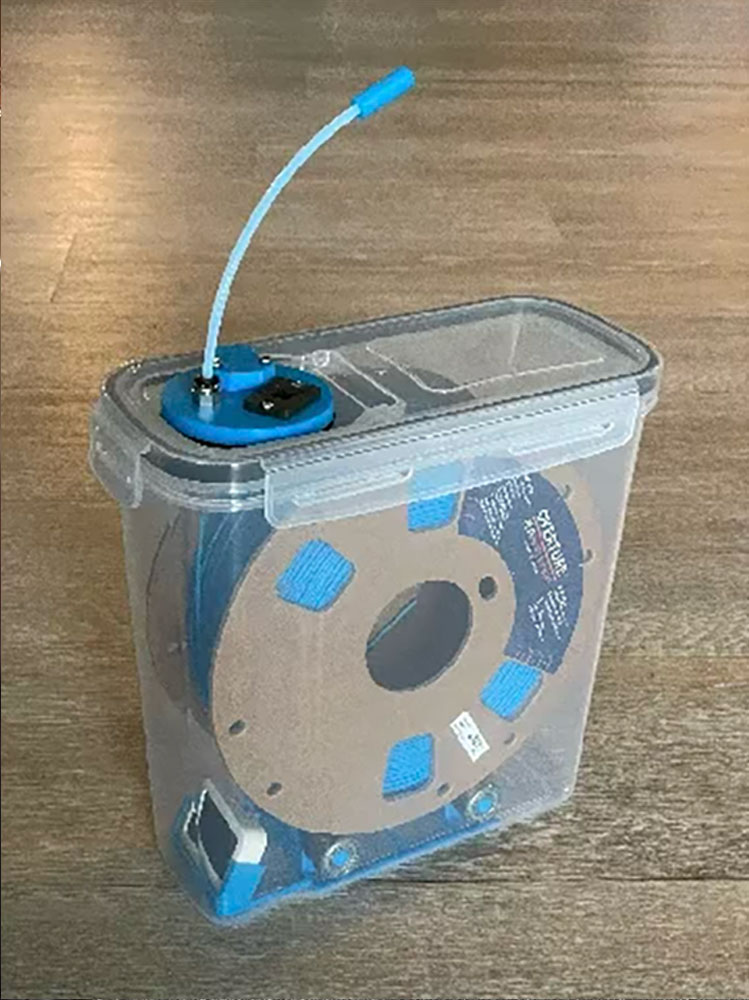
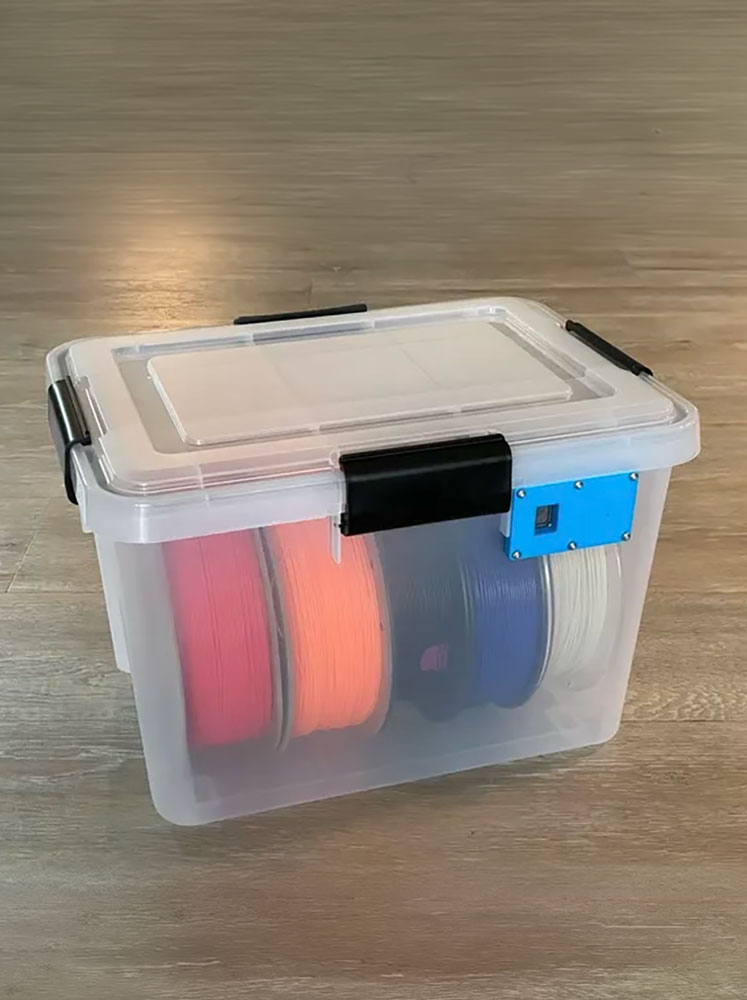
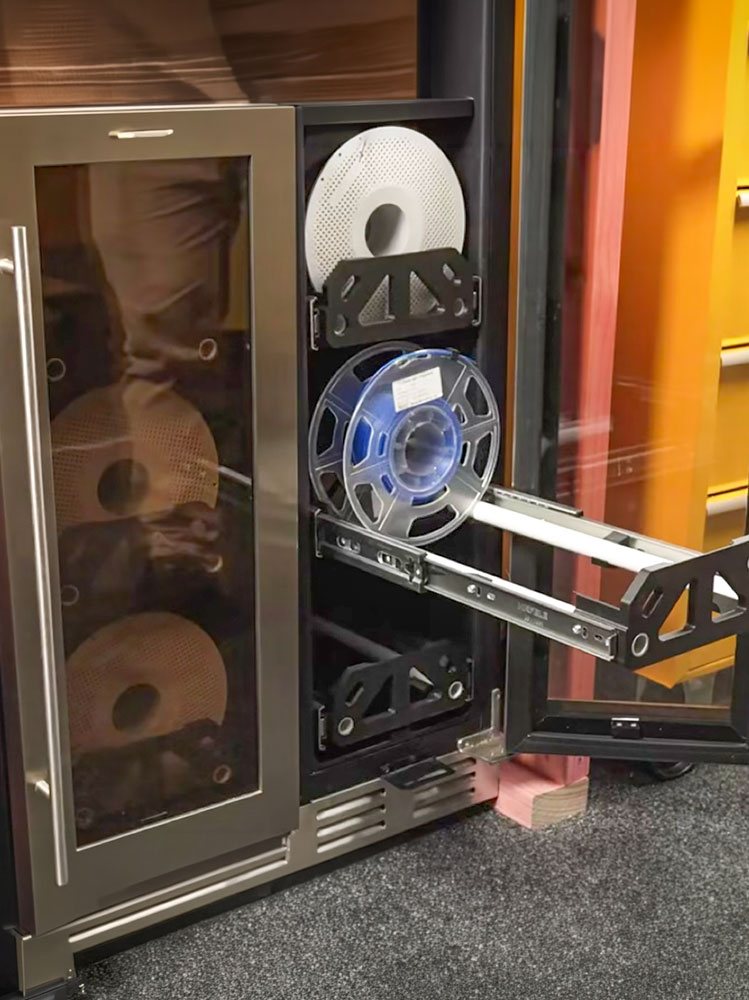
To install, cut a hole in the dry box side (for venting) and fix the mounting kit on the outside before connecting the USB-C charger and cable
Close the lid, connect to the power and it is working. Then forget about it as the membrane keeps working around the clock, removing humidity inside the enclosure and membranes.
But you can always design your own mounting or download a mould design from Printables or Makerworld.
Will it work in my setup?
New to Rosahl?
Don’t worry—almost every customer starts exactly where you are today.
Read our Filament Drying Guide first. In just a few minutes you’ll understand how the technology works, how to choose the right membrane for your dry box or AMS, and what to expect in your own setup.
If you’re still unsure afterwards, simply tell us the size of your enclosure, your ideal humidity and the types of filaments you use, and we’ll recommend the right membrane.

Micro Dehumidifier Humidity Control
micro-Entfeuchter
micro-déshumidificateur
micro-deshumidificador
Products
Westside International Ltd
Registration No. 4018025
VAT No. 768327395
EIN 98-1234498